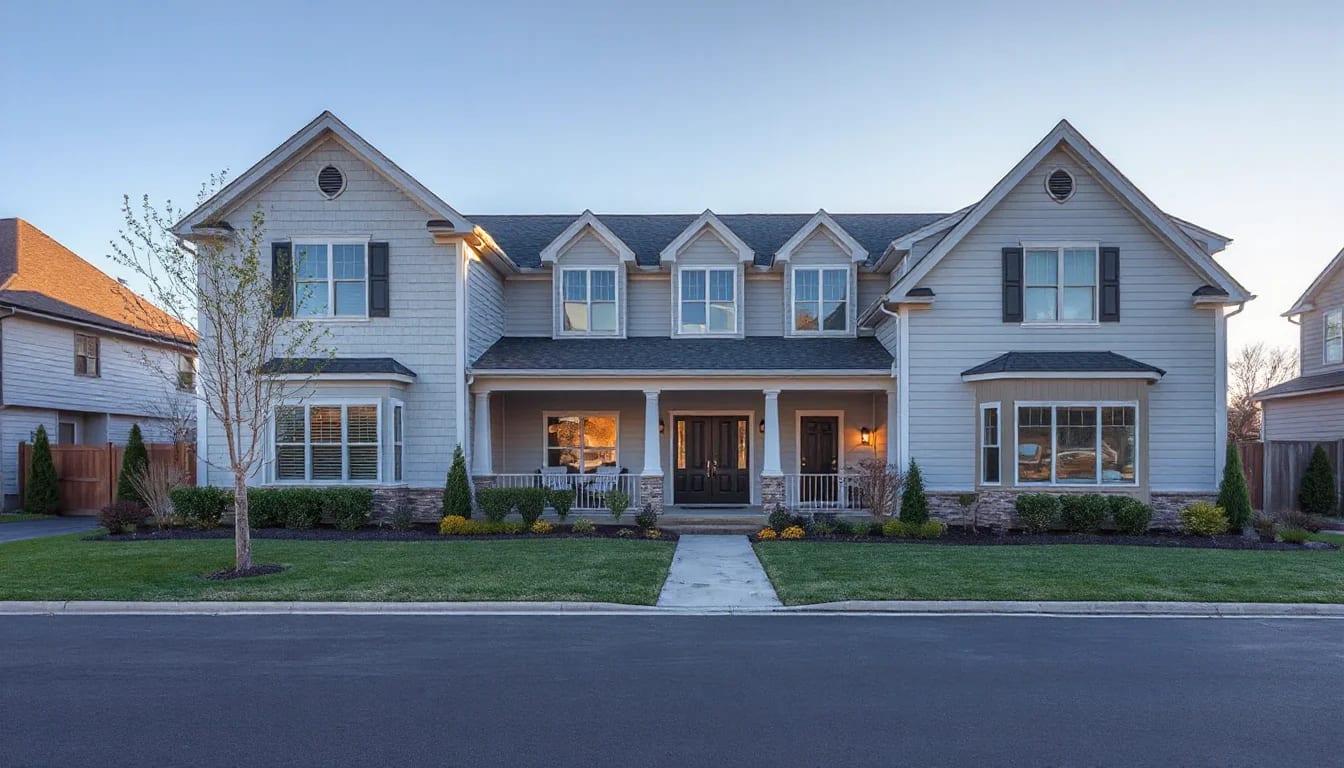
A duplex and a single-family rental can both create income opportunities in Batesville, but they earn and cost money in different ways. Comparing realistic rent, vacancy, repairs, financing, and management needs before making an offer can help investors choose a property that fits their goals rather than relying on a headline rent number.
Start With the Income Story, Not the Property Label
A rental-property comparison often starts with a simple question: “Which one brings in more rent?” That is useful, but it is only the first layer. A Batesville duplex has two income-producing units, while a single-family home typically has one lease and one resident household at a time. The duplex may offer more total monthly rent, but it can also bring two sets of turnover tasks, appliances, utility questions, and maintenance requests.
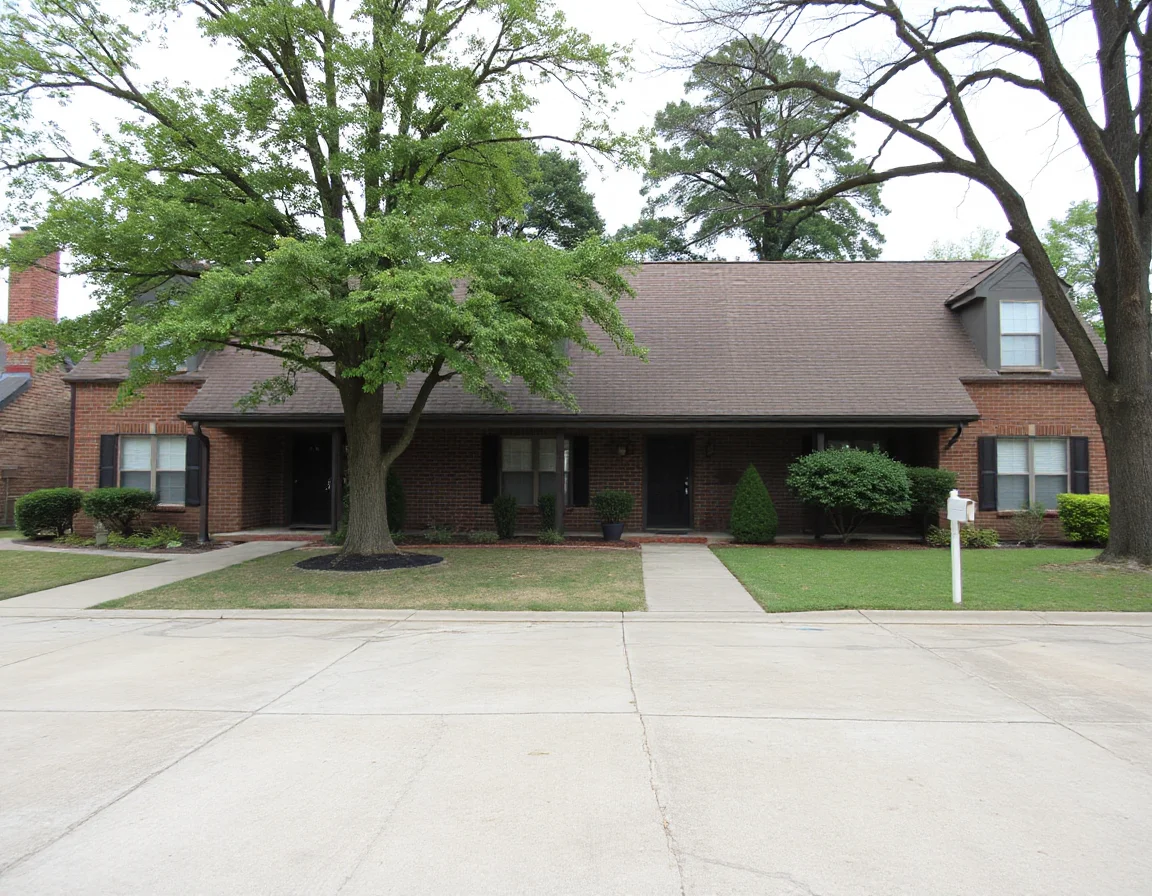
For a duplex, look at each side as its own rental operation. Is one unit larger? Does one side include a garage, extra storage, updated flooring, or separate outdoor space? Are utilities individually metered, or will the owner pay for some services? Small differences can change the rent each unit supports and affect the long-term operating budget. A building with two addresses is not automatically twice as profitable as a house; the details determine the outcome.
A single-family rental can be simpler to evaluate because there is one home, one lease, and usually one set of major systems. It may also appeal to a broad pool of renters looking for features such as a yard, driveway, additional storage, or a more private layout. The tradeoff is concentration: when that home is vacant, the property’s rental income is temporarily zero. With a duplex, one occupied unit can continue generating income while the other is being prepared and marketed.
The most useful comparison is not duplex rent versus house rent. It is projected annual income after vacancy and operating costs, measured against the cash needed to buy and improve the property.
Begin by collecting current, local rental comparables with matching bedroom counts, condition, parking, utility arrangements, and location. Avoid using asking rents alone as proof of achievable income. A careful estimate considers what similar properties have actually rented for, how long they took to lease, and whether the condition of the subject property supports the same price point.
Calculate Net Operating Income Before Considering a Mortgage
Gross rent is the money collected before expenses. Net operating income, often called NOI, is what remains after the regular costs required to operate the property. This is where a more complete ROI comparison becomes possible. Investors reviewing Batesville rentals should use the same expense categories for both a duplex and a single-family home so the results are comparable.
- Potential rent: The expected monthly rent for every unit when occupied.
- Vacancy and turnover: Income lost between leases, plus cleaning, touch-ups, advertising, and make-ready work.
- Property taxes and insurance: Costs that should be verified for the specific parcel and coverage needs.
- Repairs and capital reserves: Ongoing maintenance plus savings for larger items such as roofs, HVAC equipment, flooring, and plumbing.
- Utilities and lawn care: Expenses that may be owner-paid, especially in some duplex configurations.
- Management: A cost to include even if an owner initially plans to self-manage, because time has value and plans can change.
For example, a duplex may have stronger gross income, yet it may also have more fixtures, more walls, more appliances, and potentially more frequent service needs. A single-family home may have fewer recurring maintenance touchpoints, but one major repair can still make a sizable impact on a year’s results. Neither property type is automatically lower risk; the age, condition, systems, and purchase terms matter more than the label.
It is also important to separate routine repairs from capital expenses. Replacing a leaky faucet is different from replacing an aging roof. A reliable ROI estimate includes a reserve for both. Skipping reserves can make a property look exceptionally profitable on paper until a larger project arrives and changes the year’s cash flow.
How Financing Changes the Return
Once NOI is estimated, add the financing picture. Cash flow is generally the amount left after operating expenses and debt payments. Cash-on-cash return then compares the annual pre-tax cash flow to the actual cash invested, including down payment, closing costs, initial repairs, and any reserves set aside at purchase. Two properties with similar prices can produce very different cash-on-cash results when one requires more immediate work.

Mortgage terms deserve close attention. Interest rate, loan type, required down payment, insurance, and lender rules for one-to-four-unit properties all influence the monthly payment. A duplex can offer additional income potential, but it may also be priced differently from a comparable single-family home. Rather than assuming the duplex wins because it has two rents, compare each property’s purchase price, projected NOI, debt service, and cash required to close.
Investors can also test the numbers with a conservative scenario. Reduce projected rent modestly, include a vacancy allowance, increase repair reserves, and see whether the property still works. That stress test is especially valuable for properties with deferred maintenance or older mechanical systems. If a property only performs under the most optimistic assumptions, it may require more caution during negotiation and due diligence.
For an owner considering a future sale, resale also deserves a place in the analysis. Single-family homes and duplexes can attract different buyer pools at different times. Condition, layout, location, local inventory, and market demand may all affect future marketability. ROI is not only monthly income; it also includes how comfortably the property can be held, maintained, and eventually sold.
Management and Maintenance Can Shape the Real Return
Management is where many spreadsheets become real life. A duplex can spread vacancy risk across two units, but it can require more communication, more lease coordination, and more frequent maintenance scheduling. Shared walls, parking arrangements, exterior upkeep, and utility responsibilities should be clear before purchase. Reviewing existing leases, deposit records, payment history, service invoices, and any owner-paid bills can reveal whether the operating estimate is realistic.
A single-family rental may feel more straightforward, particularly when its layout and systems are in good condition. Still, “simple” does not mean “hands-off.” Leasing, inspections, maintenance response, accounting, and periodic upgrades remain part of the work. Whether you plan to manage directly or hire a professional, put a dollar amount in the analysis for that responsibility. Doing so helps compare investments on equal terms.
A property that needs clearer utility billing, major deferred maintenance, or a full unit turnover may still be a sound investment—but those costs should be reflected in the purchase decision, not discovered after closing.
Before submitting an offer, build a due-diligence checklist. Confirm zoning and permitted use, review tax information, inspect major systems, ask about utility meters, estimate insurance, and study rental comparables. If the property is occupied, evaluate the current lease terms and the timing of renewals. A complete review does more to protect expected ROI than a quick calculation based solely on advertised rent.
Choose the Property That Matches Your Investment Plan
The better Batesville rental is the one that supports your priorities with numbers that remain credible after expenses, vacancy, and repairs are included. A duplex may suit an investor seeking multiple income streams from one parcel. A single-family home may be the stronger choice when the purchase price, condition, financing, and likely operating costs create more dependable projected cash flow. Both can be worthwhile when the analysis is grounded in local comparables and conservative assumptions.
Take time to compare more than one property and document the assumptions behind every estimate. The goal is not to find a universally “best” property type; it is to identify an opportunity with understandable costs, durable demand, and a return that fits your budget and risk tolerance. Clear numbers create a stronger starting point for every offer, renovation decision, and leasing plan.