
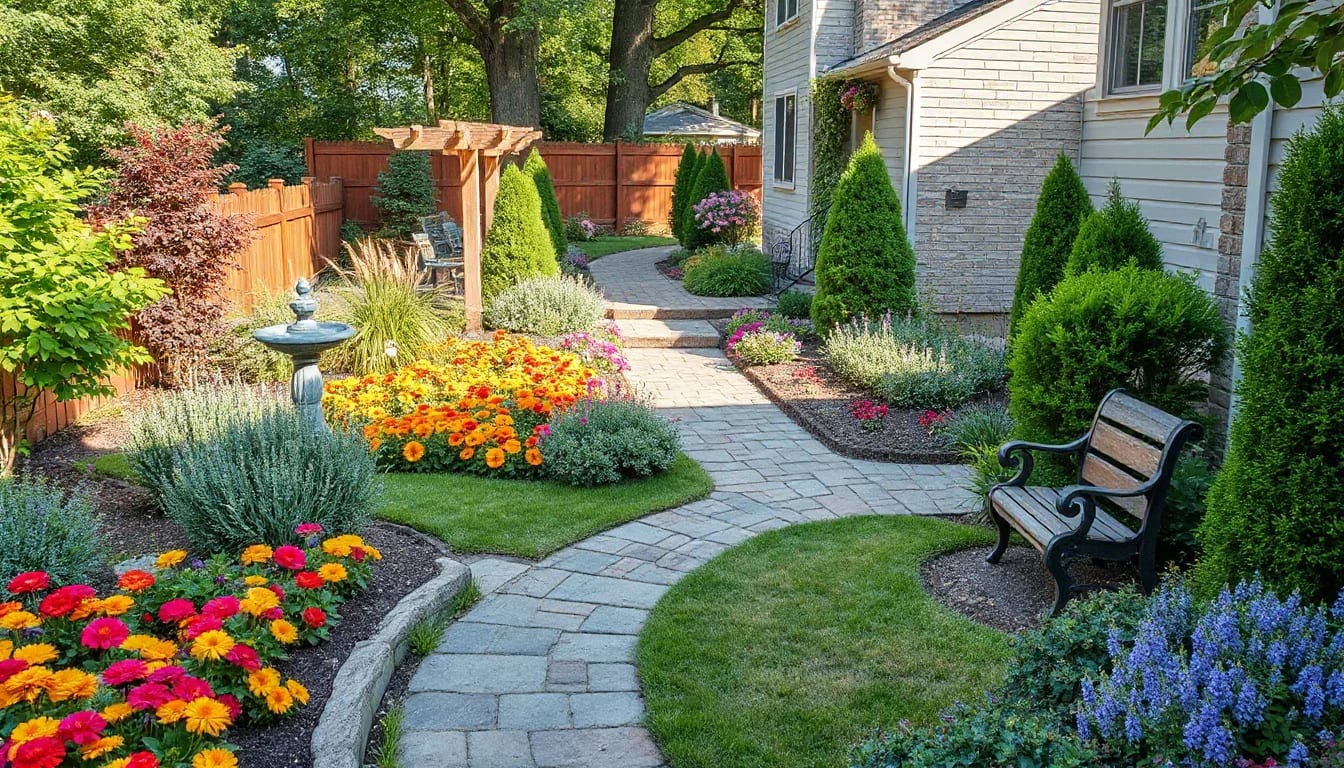
The most effective listing-prep projects are rarely the most expensive ones. In White County, a clean, well-maintained home with a polished entry, repaired details, and bright listing photos can help buyers focus on the home’s possibilities rather than a to-do list. Start with visible improvements, set a realistic budget, and let your expected timeline guide every decision.
Start With the First Things Buyers See
Preparing a property for sale is not about making it look like someone else’s house. It is about helping the home show its best features clearly, both online and in person. Before choosing a major project, take a slow walk from the street to the front door. Look for the details that a visitor will notice in the first minute: overgrown shrubs, faded trim, a loose mailbox, stained concrete, clutter near the entry, or a porch light that needs attention.
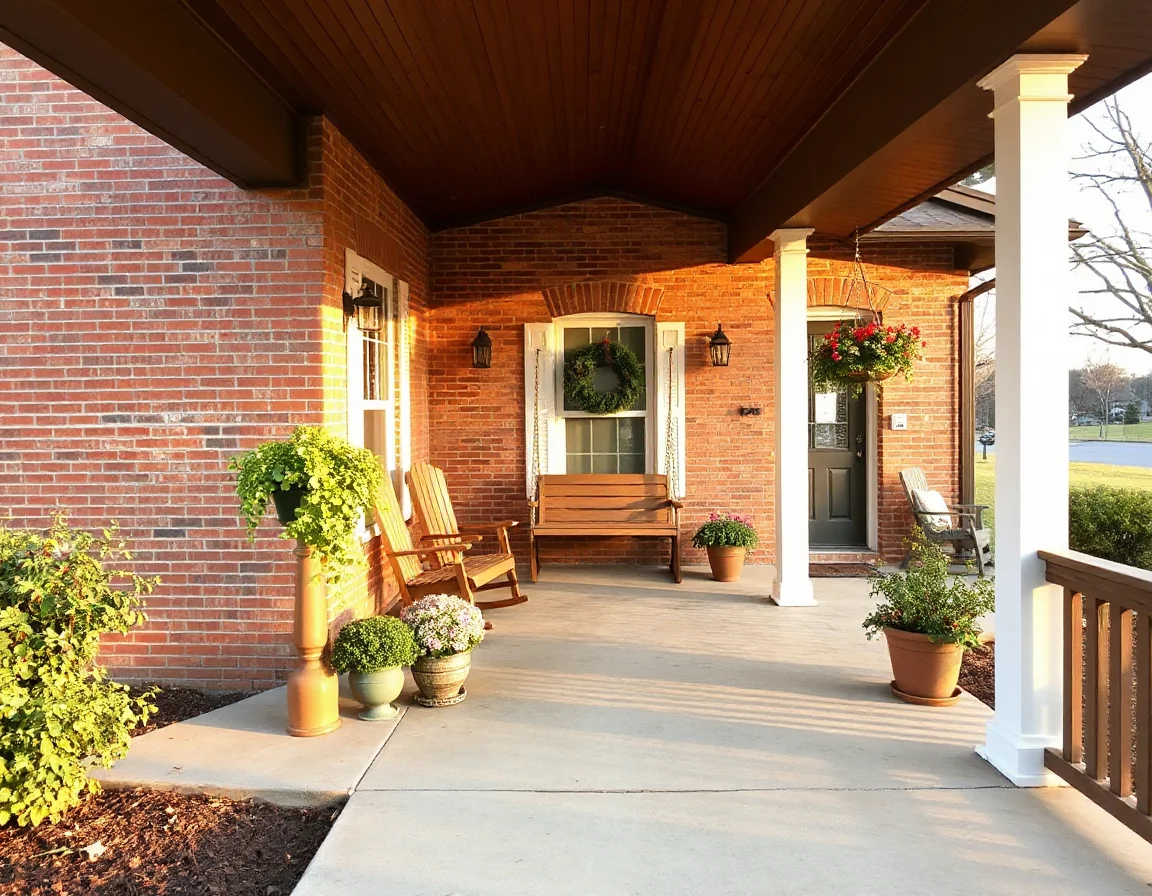
Curb appeal is a sequence of small signals. Pressure washing the walkway, touching up the front door, replacing a worn house-number plaque, and trimming plant beds can create a more cared-for impression without turning the yard into a major renovation. If exterior paint is peeling or fascia boards show visible wear, addressing those items may be more valuable than adding decorative extras. The goal is a coherent, maintained look that photographs well and feels inviting at the showing.
White County homes can vary widely in style, lot size, and setting, so the best exterior checklist depends on the property. A home in Searcy may benefit from a crisp entry and simplified landscaping, while a property on more acreage may need attention to the drive approach, gates, visible fencing, and outdoor storage. In every case, remove items that distract from the lot or structure: broken planters, unused equipment, faded seasonal décor, and stacks of materials that suggest unfinished work.
A weekend spent cleaning the entry, clearing the drive, and refreshing visible trim can make a larger difference in listing photos than a costly project tucked inside a less-used room.
Do not overlook basic maintenance. Replace burned-out bulbs, secure handrails, repair visibly damaged screens, and make sure exterior doors open and close smoothly. These practical fixes help buyers experience the home with fewer interruptions and can reduce the number of small questions that arise during a showing.
Make Interior Spaces Feel Clear, Bright, and Easy to Understand
Once the exterior is ready, focus on the rooms that carry the most visual weight in a listing: the living area, kitchen, primary bedroom, and bathrooms. A fresh cleaning is the foundation, especially along baseboards, windows, ceiling fans, fixtures, and corners that can disappear in daily life but stand out in photographs. Neutralizing odors, opening blinds, and using consistent lightbulb temperatures also help rooms feel more cohesive.
Painting can be one of the most useful projects when walls are heavily personalized, scuffed, or painted in several strong colors. Soft, light neutral tones are not a requirement, but they can make it easier for buyers to read a room’s dimensions and natural light. Patch nail holes and minor wall damage before painting, and aim for a clean finish rather than a dramatic color overhaul. If the home already has well-maintained paint in a coordinated palette, a targeted touch-up may be all that is needed.
Decluttering is equally important, and it does not mean stripping every room of personality. Instead, reduce visual competition. Clear kitchen counters except for a few intentional items, simplify open shelving, store excess furniture that blocks walking paths, and remove personal paperwork or collection displays from prominent surfaces. Buyers should be able to see counter space, storage, flooring, windows, and room flow without working around everyday belongings.
A thoughtful furniture edit can be more helpful than buying new pieces. Remove a chair that narrows a hallway, shift a large sectional away from a window, or use a small table to define an otherwise unclear space. Rooms need to photograph as usable spaces, not storage zones. In smaller bedrooms, leaving open floor area around the bed can make the layout easier to understand.
Review practical steps for selling a home
Put Kitchen and Bathroom Updates in the Right Order
Kitchens and bathrooms attract attention because they combine daily function with visible finishes. That does not automatically mean a full remodel is the best pre-listing investment. Start with condition: clean grout, repaired cabinet hinges, functional drawers, fresh caulk, updated fixture bulbs, and uncluttered counters. A deep clean of appliances and surfaces often brings more immediate impact than replacing items that are still working well.
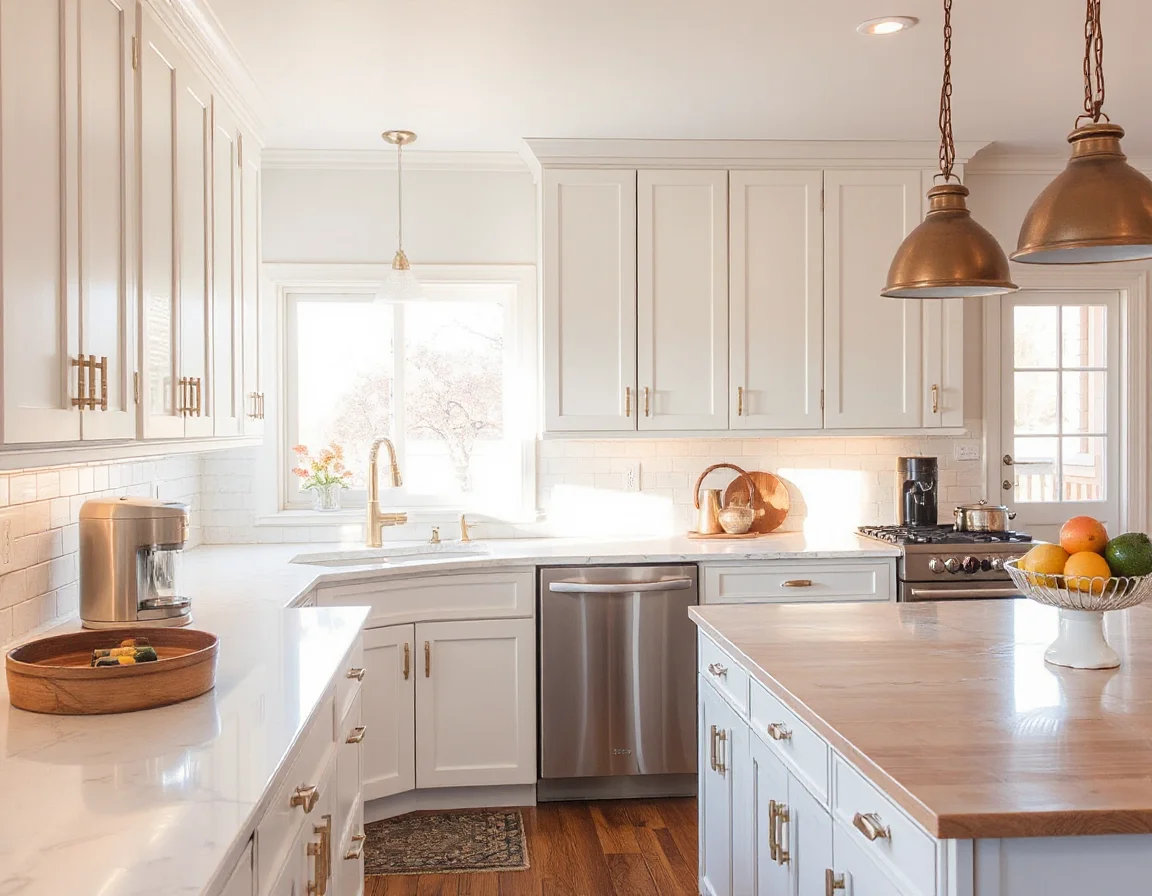
For a dated but serviceable kitchen, targeted upgrades can offer a balanced path. Coordinating cabinet hardware, a modern faucet, a new light fixture, or a refreshed backsplash may improve the overall impression without expanding the project into a lengthy renovation. Before ordering materials, consider whether the colors and finishes will work together. A collection of unrelated updates can feel less finished than an older kitchen that is clean, functional, and consistent.
Bathrooms benefit from the same approach. Replace cracked caulk, repair drips, clear out under-sink storage, and make mirrors and fixtures shine. If a vanity is badly worn, a focused replacement may be worthwhile; if it is simply dated, new hardware and a fresh coat of paint can sometimes produce a cleaner result. Keep towels simple and coordinated for photography, and make sure any ventilation fan and lighting are working properly.
It is wise to save major renovations for situations where local pricing, comparable listings, property condition, and expected time on market support the expense. A seller does not need to match every finish found in a newly renovated home. Buyers evaluate the whole package: location, lot, layout, maintenance, condition, and price alongside the details of each room.
Choose Projects With Your Timeline and Budget in Mind
The best seller-prep plan has a clear priority order. First, address repairs that affect function, water management, safety, or visibly deferred maintenance. Next, complete cleaning, decluttering, paint touch-ups, and exterior presentation work. Then consider cosmetic improvements that fit the price range and likely competition. This sequence helps prevent a seller from spending heavily on decorative work while leaving more important items unfinished.
Keep receipts, warranties, contractor information, and a simple list of completed improvements. These records can be useful when discussing the property’s condition and may help you remember details when preparing listing information. Before any large project, ask whether it will be completed to a quality level that matches the rest of the home. An unfinished DIY project can create more concern than a modest, well-executed repair.
If your listing date is approaching, prioritize projects that can be fully completed, cleaned, and photographed rather than beginning a renovation that may still be in progress when buyers begin touring.
Finally, plan for photography and showings as part of the prep work. Mow and edge before exterior photos, hide cords and pet items, open window coverings, turn on lamps, and clear vehicles from the most prominent views when possible. A calm, organized showing routine makes it easier to maintain the home’s presentation once it is on the market.
Request a home value conversation
A Polished Listing Begins With Practical Choices
Seller prep does not have to mean a complete transformation. In many White County homes, the strongest results come from careful maintenance, clean spaces, intentional updates, and a plan that respects the home’s existing character. By concentrating on what buyers can see and experience right away, sellers can present the property with confidence and make its best features easier to appreciate from the first online photo through the final showing.