
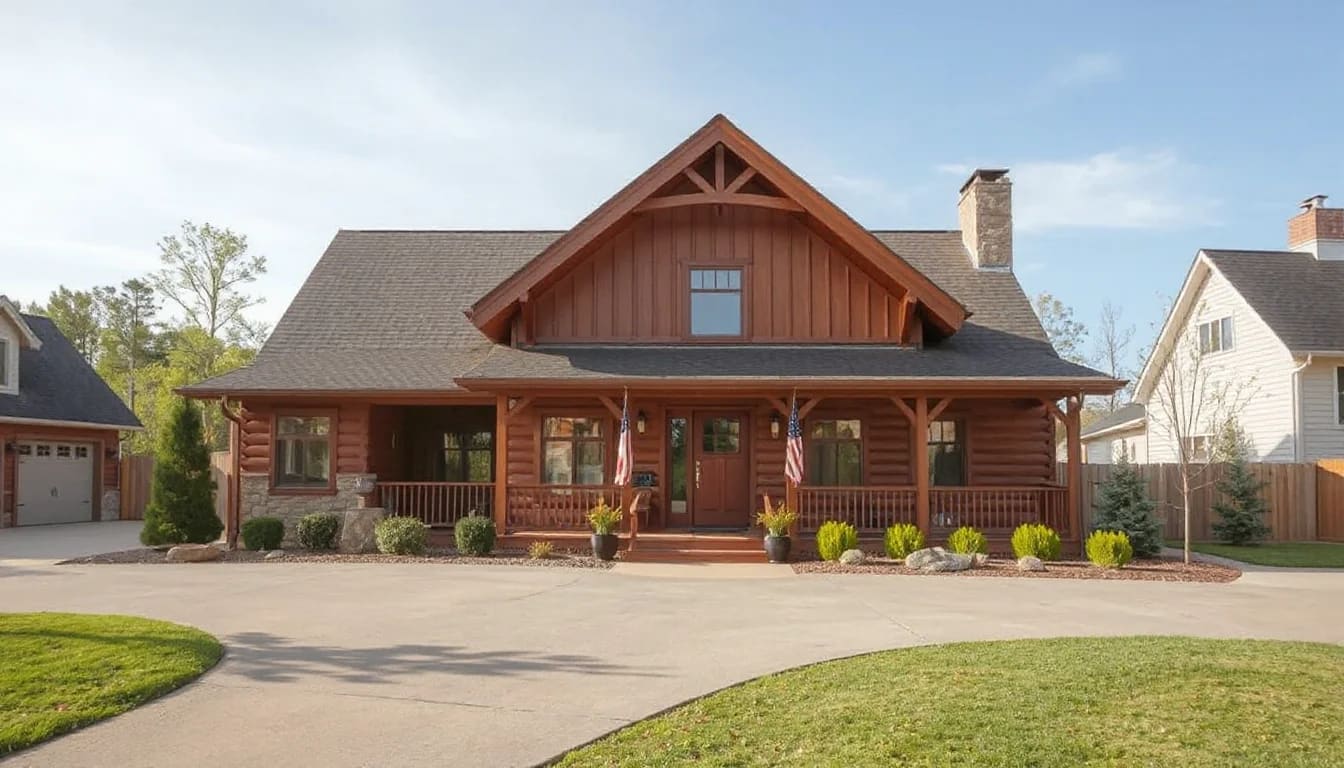
A cabin near Greers Ferry Lake can have meaningful rental appeal, but a listing’s projected income is only the starting point. Before making an offer, compare realistic nightly rates, seasonal demand, operating costs, local rules, and the home’s year-round usability. A careful spreadsheet and an in-person review can turn a scenic idea into a more confident purchase decision.
Start With the Income Story—Then Test It
Heber Springs draws visitors with Greers Ferry Lake, fishing access, boating, hiking, and the quiet scenery of north-central Arkansas. Those assets can make a cabin attractive for short-term stays, especially when the property offers features guests can clearly understand from photos: lake proximity, a usable deck, outdoor seating, a fireplace, updated kitchen space, dependable parking, or a flexible bedroom layout. Still, the strongest purchase decisions begin by separating a seller’s optimistic revenue estimate from a grounded rental forecast.
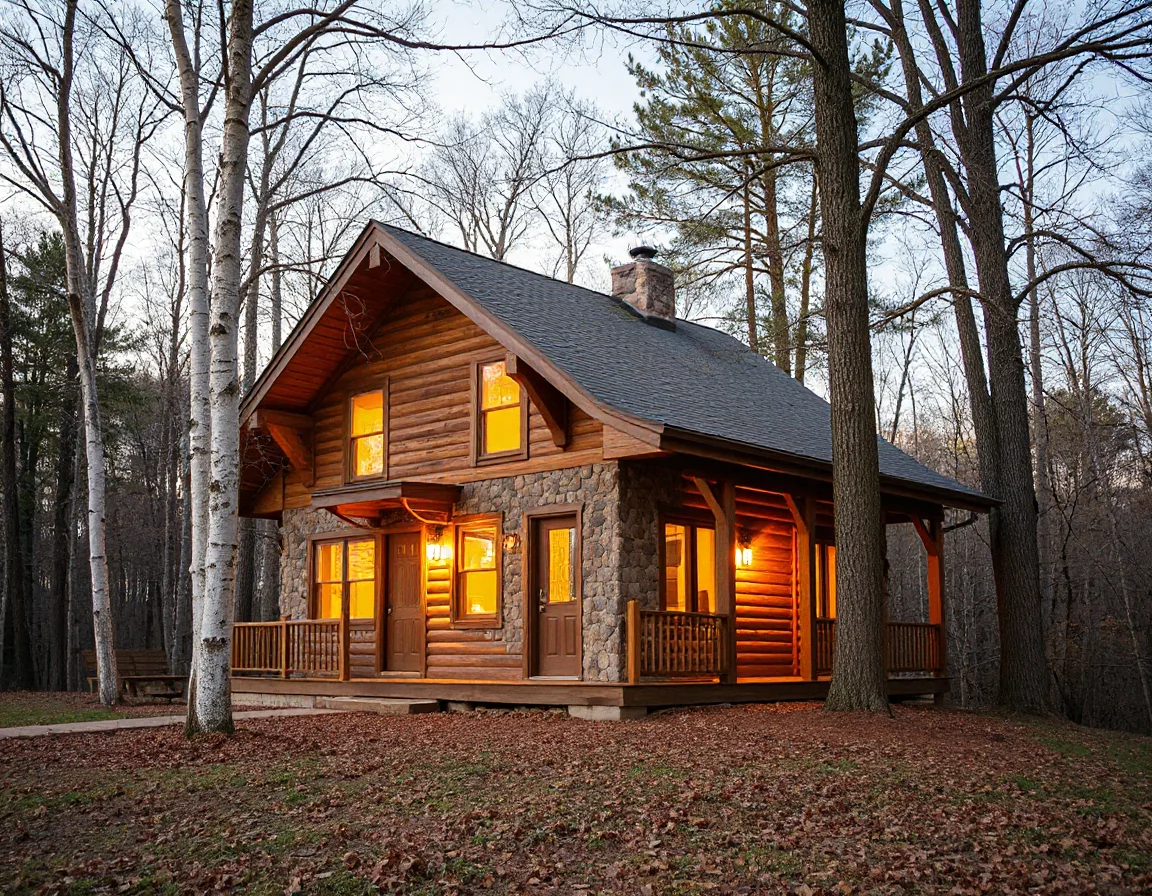
Begin with comparable rentals rather than one high-performing headline property. Look for cabins with similar bedroom counts, condition, amenities, access, and location relative to the lake and town. Review calendars across several months if the data is available. A nightly rate that works during a busy summer weekend may not reflect weekday demand, cooler-weather demand, or the cost of filling open dates on short notice.
Occupancy matters as much as the advertised rate. A property projected at $250 per night can look impressive, but the annual result changes quickly when booked nights, discounts, cancellations, and owner-use dates are included. Build a conservative model using several scenarios: a lower-demand case, a middle case, and a strong-demand case. The middle case should not assume every holiday weekend is booked or that every available night earns the top rate.
Use gross rental income only as the first line of the worksheet. The more useful number is net income after every recurring cost, reserve, and management decision has been included.
It also helps to ask what makes the cabin bookable outside peak lake season. A covered outdoor area, reliable internet, comfortable heating and cooling, a stocked kitchen, nearby trails, and easy road access can support a broader guest experience. These are not guarantees of occupancy, but they can distinguish one property from another when travelers compare listings.
Build an Expense List That Reflects Real Ownership
Rental income does not arrive without expenses, and cabins often carry costs that differ from those of an in-town home. Property taxes, insurance, mortgage payments, utilities, internet, trash service, lawn care, tree maintenance, pest treatment, cleaning, linens, repairs, and furnishings all belong in the analysis. If the property has a septic system, private well, steep driveway, dock access, retaining walls, or extensive decking, include inspection findings and likely maintenance reserves as well.
Insurance deserves particular attention. Coverage needs and premiums can vary based on the home’s location, construction, age, roof condition, access, rental activity, and proximity to water. Obtain a real insurance quote before the end of any contingency period instead of relying on a rough online estimate. Similarly, utility bills should be reviewed with the seller when possible, since electric costs can shift substantially with the property’s size, insulation, HVAC equipment, and guest turnover pattern.
A management company can simplify guest communication, pricing, housekeeping coordination, and maintenance dispatch, but the service comes at a cost. Self-management may reduce fees, yet it requires time, reliable cleaners, responsive maintenance contacts, and a plan for late-night issues. Neither model is automatically better; the right approach depends on how much hands-on involvement an owner can realistically provide.
- Fixed costs: mortgage, taxes, insurance, association dues, internet, and baseline utilities.
- Variable costs: cleaning, consumables, booking-platform fees, repairs, seasonal utility use, and guest-related wear.
- Capital reserves: roof work, HVAC replacement, appliances, exterior staining, driveway repairs, and furniture refreshes.
- Professional services: management, bookkeeping, photography, inspections, legal guidance, and tax preparation.
Do not overlook furnishing costs for a newly converted rental. Beds, seating, cookware, outdoor furniture, window coverings, lighting, locks, décor, and replacement inventory can add up before the first reservation is accepted. A cabin may be beautiful in person, but it still needs durable, practical finishes that can stand up to frequent turnovers.
Evaluate the Cabin as a Year-Round Property
Lake-season demand is an important part of the Heber Springs rental picture, but the physical home must work in every season. During a showing, assess the route from the public road to the driveway, the slope and surface of parking areas, drainage around the foundation, exterior lighting, and the condition of stairs, railings, and decks. These details influence maintenance, guest convenience, and the owner’s ability to use the property without unpleasant surprises.

Ask for documentation on major systems. The age and service history of the roof, HVAC, water heater, electrical panel, plumbing, septic components, and appliances can shape the first several years of ownership. A professional inspection may reveal issues that are not visible in listing photos, including moisture concerns, ventilation problems, wood damage, aging retaining structures, or deferred exterior maintenance.
Location also affects the guest experience in practical ways. Confirm the actual driving time to the nearest lake access, boat launch, groceries, fuel, and dining options rather than relying on a map pin or broad “near the lake” language. Verify cell reception and internet availability at the property. For many travelers, dependable connectivity is an essential convenience, particularly when a stay combines recreation with remote work.
A cabin’s access, utilities, and maintenance history can influence long-term returns as much as its view. The most photogenic feature should not replace careful due diligence.
Before committing, review whether there are homeowners’ association rules, deed restrictions, permit requirements, occupancy limits, or local regulations that affect short-term rentals. Requirements can change, so verify current information directly with the appropriate association, municipality, county office, and qualified professionals. If the property is already operating as a rental, request records that show actual bookings and expenses, not only projected revenue.
Use a Simple ROI Framework Before You Offer
A practical ROI review does not have to be complicated. Start with projected annual gross revenue based on a conservative average nightly rate multiplied by expected booked nights. Subtract operating expenses, management fees, recurring maintenance, taxes, insurance, utilities, and a reserve for larger repairs. The remaining figure is a clearer estimate of net operating income before debt service and income taxes.
Then compare that result with the purchase price, down payment, financing terms, closing costs, furnishing budget, and immediate repairs. Cash-on-cash return can be useful for comparing investment options, while a broader cash-flow review shows whether the property can support its monthly obligations under several booking assumptions. A lender, accountant, attorney, insurance professional, and local real estate professional can each help clarify different parts of the decision.
- Estimate rates and occupancy from truly comparable cabins.
- Use conservative assumptions for slower months and unexpected vacancies.
- Price every known operating expense and add a repair reserve.
- Confirm rental rules, access, utilities, insurance, and property condition.
- Decide how often you intend to use the cabin personally and include those blocked dates.
The goal is not to find a property that looks perfect on a spreadsheet. It is to understand the tradeoffs before the offer is written. Some owners may prioritize personal lake access and occasional rental income, while others may focus primarily on cash flow. Either approach can be valid when the numbers, condition, and ownership plan align with the buyer’s goals.
Heber Springs offers a compelling mix of lake recreation, natural scenery, and small-town convenience, but a successful cabin purchase is built on specifics. Review the property closely, keep assumptions realistic, and leave room in the budget for the ordinary surprises that come with owning a home. When the income potential and the day-to-day realities both make sense, you will be better positioned to buy with clarity.