
A lakefront address in Cleburne County can mean very different things depending on shoreline access, terrain, utilities, rules, and the condition of the home itself. Looking beyond the water view helps buyers compare properties with clarity, plan for ownership costs, and recognize which details may affect everyday use and future resale.
Start With the Water, Not Just the View
A lake view can be memorable, but a smart comparison begins with the property’s actual relationship to the water. In Cleburne County, homes near Greers Ferry Lake may range from elevated sites with long views to parcels that approach the shoreline more directly. Those settings can feel very different once you factor in walking routes, slope, vegetation, seasonal water levels, and the distance between the home and the lake.
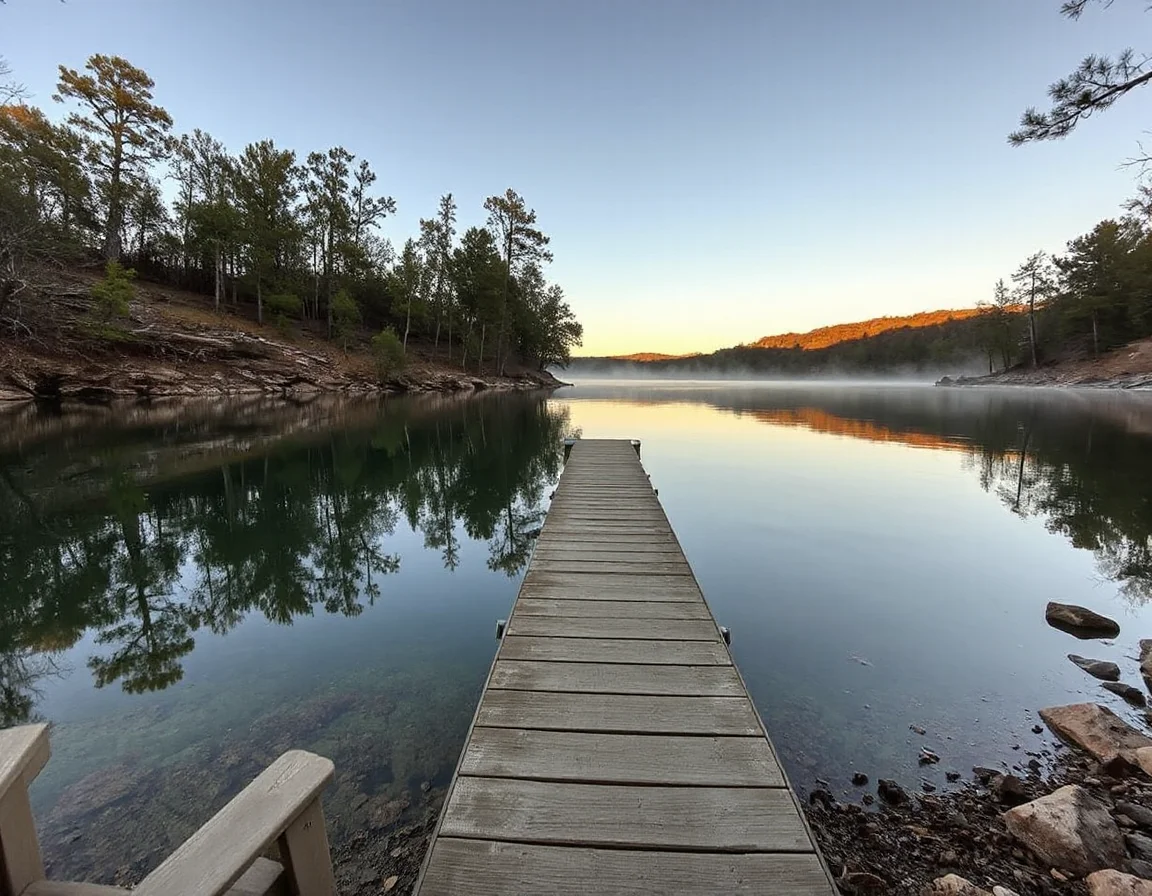
Ask how the water is accessed from the lot. A path may be level and easy to follow, or it may include a steep grade, uneven ground, stairs, or an undeveloped wooded route. On a showing, take time to walk the route rather than judging it from a deck or window. The usability of the route matters more than the straight-line distance shown on a map.
It is also helpful to distinguish between lakefront, lake-access, lake-adjacent, and lake-view descriptions. A property marketed near the lake may offer scenic surroundings without private access to the shoreline. Another may border land managed by a public agency, which can affect what owners may do near the water. Reviewing the survey, property boundaries, recorded easements, and applicable shoreline rules can prevent assumptions from becoming costly surprises.
A dramatic water view and convenient water access are separate features. Compare both on every property, especially when terrain or tree cover makes the shoreline difficult to evaluate from the house.
Seasonality deserves a place on the checklist as well. Shoreline appearance can change with rainfall, lake management, and vegetation growth. If possible, ask for recent photos from more than one season, and discuss what the seller has observed about access, drainage, and nearby water conditions. These practical details can be as valuable as the first impression.
Compare the Lot, Utilities, and Maintenance Plan
Lake-area properties often reward a closer look at the land itself. A gently sloped yard may offer flexible outdoor space, while a more rugged parcel can provide privacy and natural character but require additional attention to footing, erosion, retaining features, and drainage. Neither setting is automatically better; the right choice depends on how the property will be used and maintained.
Drainage is especially important on hillside and wooded sites. Look for the direction of runoff, the condition of gutters and downspouts, and any visible signs of standing water, soil movement, or moisture near the foundation. A qualified inspector can help identify concerns, but buyers can start by noticing how the driveway, walkways, decks, and yard relate to the home’s elevation.
Utilities can vary from one property to another, even within a small search area. Confirm the water source, sewer or septic arrangement, internet options, road maintenance, and electrical service before making a decision. For homes with septic systems, request available records and ask appropriate professionals about inspection requirements. For homes served by private or shared roads, review maintenance agreements and clarify how expenses are handled.
Older lake homes may also have features worth evaluating early: roof age, deck structure, heating and cooling systems, crawlspace conditions, windows, and moisture management. The charm of a cabin-style retreat or an established lakeside home can be substantial, but a thorough due-diligence period gives buyers room to understand the property’s current condition and likely maintenance horizon.
Create a side-by-side property worksheet before a second showing. Include shoreline access, driveway grade, utility setup, outdoor maintenance, inspection findings, and recurring fees—not just bedrooms, views, and asking price.
Insurance is another practical comparison point. Coverage availability and cost can vary based on construction, location, roof condition, distance from emergency services, and other underwriting factors. Request insurance quotes early enough to use them in the overall ownership budget. This step can make the difference between comparing list prices and comparing the true monthly and annual costs of two otherwise similar homes.
Understand Rules, Docks, and Outdoor Features
For many buyers, outdoor space is a major part of the appeal. Before assigning value to a dock, boat slip, shoreline steps, fire feature, retaining wall, or detached storage building, confirm whether the feature is permitted, transferable, and included in the sale. Rules may involve public agencies, property owners’ associations, local ordinances, recorded covenants, or utility easements.
Docks deserve special attention because ownership, permits, waitlists, upkeep obligations, and transfer procedures can differ. A listing photograph may show a dock nearby without establishing that it conveys with the property. Ask for documentation and verify the status through the relevant authority rather than relying solely on marketing language. The same approach applies to shared access areas, private launches, and community facilities.
If the home is within a planned community, review association documents carefully. Look beyond the current dues amount to understand what the dues cover, whether there are restrictions on exterior changes, and whether assessments or capital projects have been discussed. These records offer useful context for budgeting and for understanding how the property can be maintained or improved over time.
Search Cleburne County listings
Match the Property to Your Real-Life Routine
The strongest lakefront choice is usually the one that fits the way you expect to use it throughout the year. Consider the drive from your usual destinations, road conditions after heavy rain, parking for visitors, grocery and service access, and the time needed to maintain decks, landscaping, trees, and outdoor equipment. A peaceful setting can still be practical when the logistics match your routine.
Spend time in the surrounding area at different points of the day if you can. Notice road noise, sunlight on the deck, the layout of neighboring lots, and the route to public lake access or local recreation areas. Cleburne County offers a mix of water-focused recreation, wooded scenery, and small-community conveniences, so each location has its own rhythm and set of tradeoffs.
Finally, keep resale in view without letting it override your current needs. Features that are easy to explain and verify—reliable access, well-maintained systems, usable outdoor areas, documented permits, and an appealing setting—can make a property easier for future buyers to evaluate. Taking a measured approach now helps turn a beautiful lake setting into a confident long-term purchase decision.