
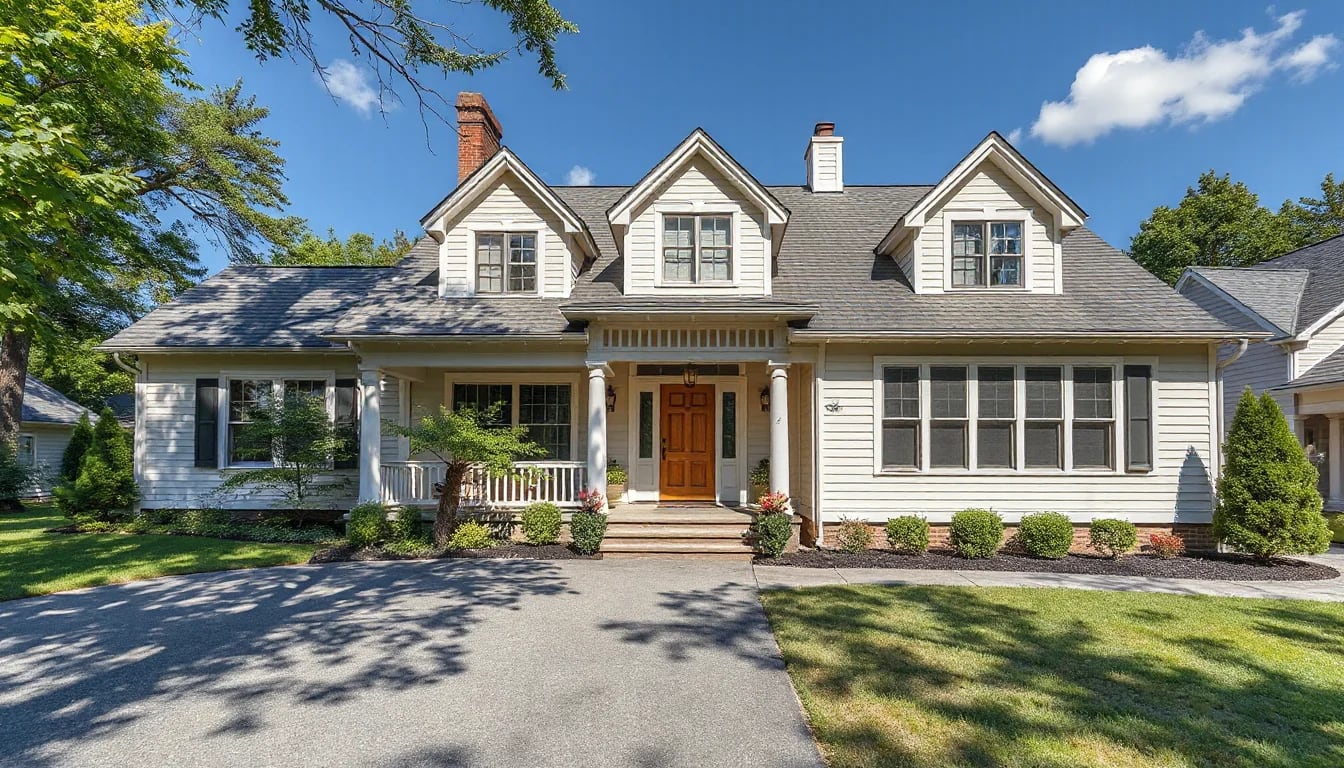
Rental property ROI in Augusta is about more than just rent collected each month. To evaluate an investment clearly, buyers need to account for purchase price, operating costs, vacancy risk, financing, and the pace of local demand. A careful look at these moving parts can help you compare properties with more confidence and avoid numbers that look strong on paper but weaken after expenses.
Start With the Full ROI Picture
When people first look at rental property returns, the temptation is to focus on a simple comparison: monthly rent versus monthly mortgage payment. That can be a useful starting point, but it is not enough to measure performance in a real market. In Augusta, as in any community, return on investment depends on how well a property’s income holds up after taxes, insurance, maintenance, turnover costs, and periods when the property may not be occupied.
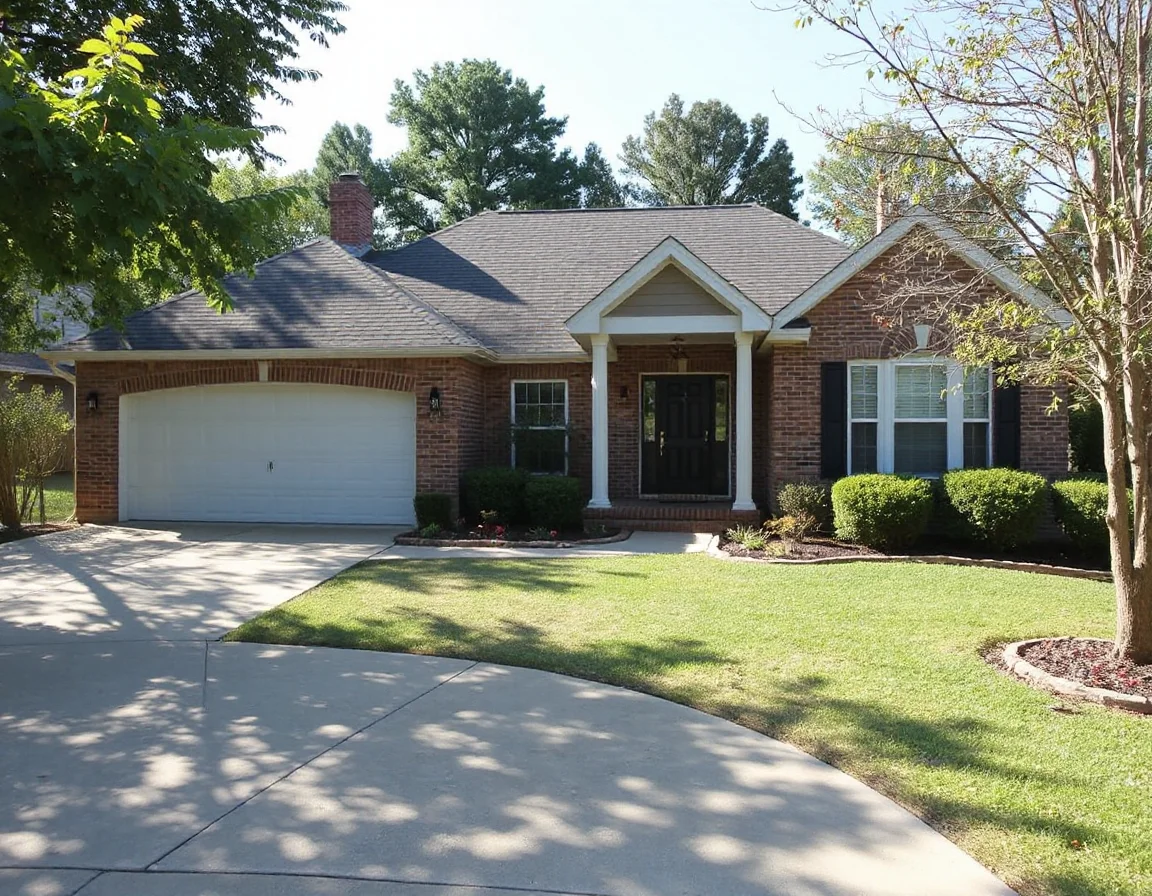
A practical way to begin is by separating gross income from net operating income. Gross income is what the property could bring in through rent if fully occupied. Net operating income takes that number and subtracts ongoing operating expenses, giving you a clearer view of the property’s actual earning power before debt service. That distinction matters because two homes with the same rent may perform very differently if one needs frequent repairs or carries higher annual ownership costs.
Buyers also benefit from thinking about ROI in layers. Cash flow shows what remains after expenses and financing. Cap rate helps compare properties regardless of financing structure. Cash-on-cash return can be especially useful if you are putting a down payment into the purchase and want to see how that invested cash may perform. Looking at all three often leads to a more balanced decision than relying on one metric alone.
A property with slightly lower rent can still produce a stronger return if maintenance needs are predictable and vacancy risk is lower. Stable numbers often outperform optimistic projections.
Understand Augusta-Specific Market Variables
Local conditions shape investment outcomes, and Augusta is no exception. Rental demand, property age, lot size, neighborhood upkeep, and distance to everyday services all influence leasing activity and operating costs. A lower purchase price may improve the entry point for an investor, but if the home needs substantial work upfront, the true return can take longer to appear.
It helps to study the area from a property-management perspective rather than only a buyer perspective. Ask how quickly similar rentals are leased, what condition they are in when advertised, and whether tenants in the area tend to seek single-family homes, smaller homes, or properties with flexible space. Objective details such as parking, storage, yard maintenance demands, and utility setup can affect how competitive a property is in the rental market.

Another factor is renovation scope. Cosmetic updates like paint, lighting, flooring, and appliance replacement can sometimes support stronger rent positioning without the same cost burden as a full systems overhaul. On the other hand, foundation issues, older roofing, HVAC replacement, or outdated plumbing can quickly change the numbers. Before estimating ROI, investors should build a realistic repair reserve and avoid assuming every improvement will produce a dollar-for-dollar increase in rent.
Even small shifts in expenses matter. A property that needs lawn service, pest prevention, frequent turnover cleaning, or utility subsidies may look affordable at first glance, but those recurring costs reduce net income over time. Investors who underwrite conservatively are usually in a better position to hold through normal fluctuations.
Key Numbers Worth Reviewing Before You Buy
To evaluate a rental in Augusta with discipline, start with a worksheet that includes more than the listing price and expected rent. Estimate property taxes, insurance, maintenance reserves, vacancy allowance, property management if applicable, and any immediate repairs needed before the property can be leased. If the home will be financed, include your projected loan payment separately so you can compare both unleveraged and leveraged returns.
One useful benchmark is the vacancy allowance. Even if a property is likely to lease quickly, a prudent investor usually sets aside a percentage of annual rent to account for gaps between tenants, unexpected repairs, or preparation costs before a new lease begins. That reserve can keep your projections grounded and reduce the chance of overstating annual ROI.
Rent comps deserve the same level of scrutiny. Look for properties with similar condition, size, layout, and location factors rather than picking the highest advertised number in the market. A fully updated home with newer systems and appealing finishes may command a different rate than a similar square footage property with deferred maintenance. Accurate comps support stronger acquisition decisions and make it easier to identify whether a property is priced to perform.
If projected returns only work when rent is set at the very top of the market, the deal may be too tight. A margin for normal market movement can make the investment more durable.
Investors should also think about holding period. ROI is not only about month-one cash flow. Over several years, loan paydown, maintenance timing, and resale potential can all influence the total outcome. A property that starts with modest cash flow but requires fewer capital improvements may compare favorably with one that shows better early income but demands large future expenditures.
What Makes a Rental More Resilient Over Time
Strong investment properties often share one trait: they are easier to operate consistently. In Augusta, that might mean a layout that is straightforward to maintain, durable finishes, off-street parking, practical storage, and mechanical systems with useful remaining life. These details may not sound glamorous, but they can reduce turnover costs and make your budgeting more predictable.
Resilience also comes from buying with enough room in the numbers. If a property only performs under perfect conditions, it leaves little flexibility for repairs, leasing delays, or changing insurance costs. A more stable deal may be one with moderate but dependable cash flow, especially if the property condition supports fewer surprise expenses during the first several years of ownership.
For some buyers, the best opportunity is not the one with the highest advertised return but the one with the clearest path to steady operation. That can include a home that needs light improvements, has a sensible floor plan, and sits in an area where similar properties show consistent rental activity. A measured approach can be especially valuable for first-time investors who want to learn the market without taking on excessive renovation risk.
If you are comparing options, keep your analysis simple and repeatable. Run the same assumptions across multiple properties, review repair items carefully, and avoid making exceptions just because one listing feels promising. Investment discipline is often what separates a good purchase from an expensive lesson.
Talk through Augusta investment options
Final Thoughts on Evaluating ROI
Rental property ROI in Augusta should be measured with clear assumptions, realistic expense planning, and close attention to local conditions. The most useful analysis goes beyond asking whether rent covers the payment and instead asks how the property may perform through routine maintenance, turnover, and normal market variation. When you review properties this way, it becomes easier to spot the difference between a listing that is merely affordable and one that may function as a stronger long-term investment.
Whether you are buying your first rental or adding to an existing portfolio, the goal is not perfection. It is clarity. Better inputs lead to better decisions, and better decisions tend to produce more dependable returns over time.