

An appraisal below the agreed purchase price can change the financing and negotiations in a Cabot home sale, but it does not automatically end the deal. Understanding the numbers, contract deadlines, and available options before an offer is signed can help both sides respond with confidence.
What an appraisal gap really means
Picture this: a buyer and seller agree on a price, inspections are underway, and everyone is looking toward closing. Then the lender’s appraisal comes back below the contract price. The difference is called an appraisal gap, and it raises a practical question: who, if anyone, will make up the difference?
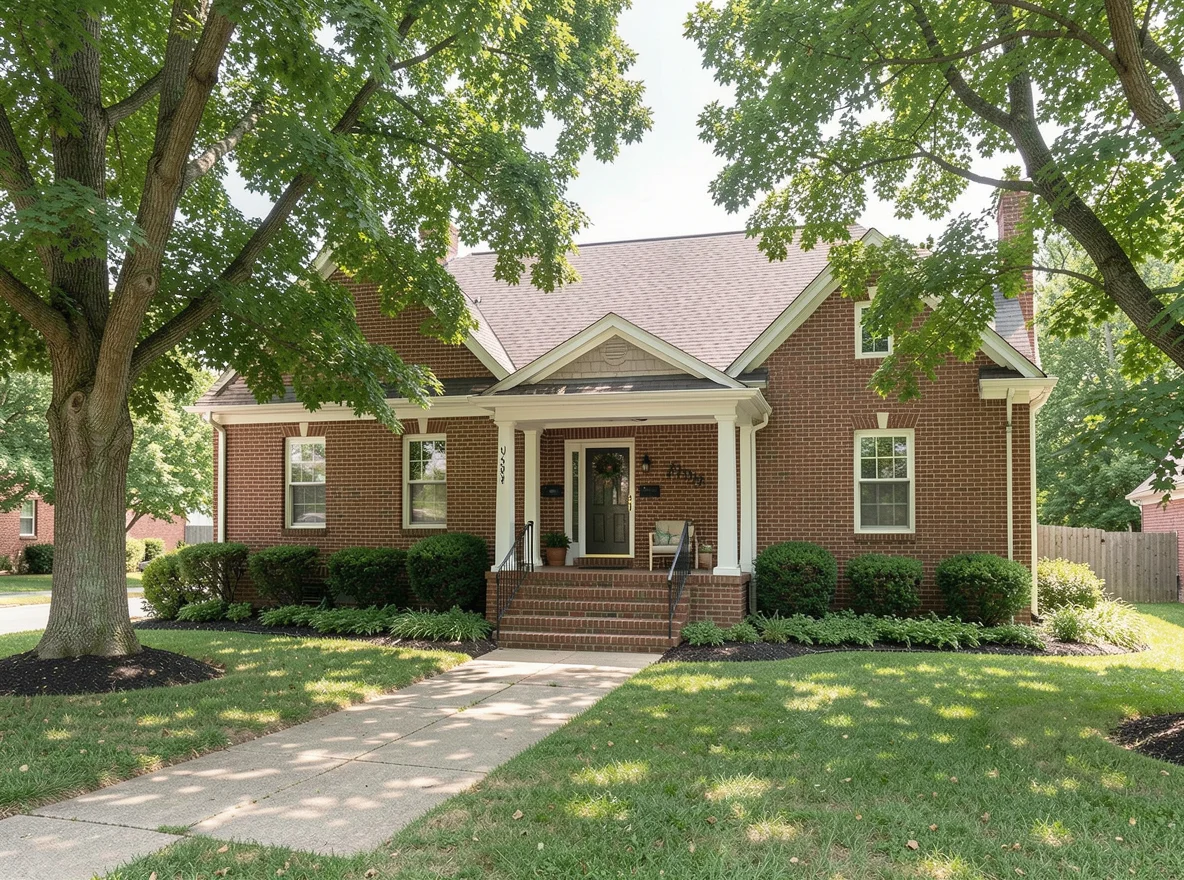
An appraisal is an independent professional opinion of a property’s value, generally ordered by the lender as part of a financed purchase. The appraiser considers the property and available market evidence, including comparable sales. The appraisal is not the same as a home inspection: an inspection focuses on condition, while an appraisal addresses value for the lender’s purposes.
Suppose a home is under contract for $300,000 and appraises for $285,000. The appraisal gap is $15,000. That does not necessarily mean the buyer must bring exactly $15,000 more to closing in every situation. The actual effect depends on the loan, the buyer’s down payment, the lender’s rules, and any agreement the parties reach.
It also does not mean that the seller must reduce the price. A contract may provide the buyer with options or protections, but the parties’ obligations depend on its specific language. Before making a decision, read the agreement with your real estate agent and ask the lender to explain the financing numbers.
A $15,000 appraisal gap is the difference between two values—not automatically the buyer’s additional cash requirement. Ask the lender for a revised breakdown before deciding how to proceed.
Why a Cabot appraisal might come in low
An agreed price reflects what a particular buyer and seller are willing to accept. An appraisal uses a separate process and a specific effective date. Those two conclusions can differ, especially when recent comparable sales do not capture every feature that influenced the negotiation.
For a home in Cabot, relevant comparisons may vary by location, size, age, condition, lot characteristics, and recent improvements. A renovated kitchen, an added bathroom, or a larger parcel may matter to buyers, but the appraiser must assess how the available evidence supports an adjustment. The cost of an improvement is not necessarily equal to the value it adds.
Timing can complicate the picture, too. A pending sale may show buyer interest, but its final price is not yet a closed-sale result. When there are relatively few closely comparable recent sales, an appraiser may need to make more adjustments. None of this means a low appraisal is certain in the current market; it means each property and transaction deserves a careful look.
Before making an offer, buyers can ask their agent to review recent comparable sales alongside active listings. Sellers can do the same before choosing a list price. Active listings show what sellers are asking; completed sales help show what buyers have paid. Neither guarantees an appraisal result, but together they can make the pricing conversation more grounded.
How a lower value can affect financing
Lenders commonly calculate the maximum loan using the lower of the purchase price or appraised value, subject to the loan program and underwriting requirements. When that value falls, the amount available to borrow may fall as well. The lender can explain whether the buyer needs additional cash, can change the down payment structure, or has another financing option.

Consider a simplified example using the $300,000 contract price and $285,000 appraisal above. If a lender permits a loan of 80% of the lower value, the maximum loan under that assumption would be $228,000. If the price remains $300,000, the buyer would need $72,000 toward the purchase price rather than the $60,000 they may have expected with an 80% loan based on the contract price. Closing costs and other expenses would be additional.
That example illustrates the math, not a loan quote. A different loan-to-value ratio or program can produce a different result, and changing the down payment may affect the interest rate or mortgage insurance. A buyer should avoid moving money or promising extra funds until the lender has reviewed the revised plan and the source of those funds.
Buyers also need to protect the rest of their budget. Cash for closing is only one part of ownership; insurance, maintenance, moving expenses, and repairs may still be ahead. Jose Colunga encourages clients to prepare for those costs and build a network of professionals, including an insurance agent and contractors, before they need help.
Options when the appraisal is below the price
A low appraisal calls for a conversation, not an automatic decision. Depending on the contract, financing, and willingness of both parties, there may be several paths forward:
- Negotiate the price. The seller may agree to reduce it to the appraised value or to another amount both sides accept.
- Bring additional cash. The buyer may choose to contribute more at closing if the lender approves and the funds are available.
- Share the difference. The seller may reduce the price by part of the gap while the buyer contributes more toward the purchase.
- Request a review. If there are factual errors or relevant comparable sales were overlooked, the buyer can ask the lender about its reconsideration-of-value process.
- Consider a different financing structure or end the transaction. These possibilities depend on lender requirements and the rights and deadlines in the signed contract.
A reconsideration is not a request to simply raise the value. Useful information might include an incorrect bedroom count, an overlooked feature, or a relevant closed sale that warrants review. Provide the information through the lender’s process and allow time for a response; a review does not guarantee a change.
The appraisal response deadline matters as much as the result. Check the signed contract promptly so there is time to review the report, speak with the lender, and decide on a response.
Read any appraisal-gap language carefully
Some offers include a promise to cover an appraisal gap, sometimes up to a stated dollar amount. Other contracts may include an appraisal or financing contingency that gives the buyer a route to renegotiate or terminate under specified conditions. The terms are not interchangeable, and the details can affect the buyer’s earnest money and ability to exit.
Before signing, ask what triggers the provision, how much cash might be required, and what notice must be given by which date. Certain loan programs may have additional rules or required provisions. Your lender, agent, and, when appropriate, an Arkansas real estate attorney can help you understand how the documents apply to your situation.
A practical plan for buyers and sellers
Buyers can prepare by discussing an appraisal shortfall with their lender before submitting an offer. Request a realistic cash-to-close estimate, decide how much additional cash is comfortable, and keep funds available for expenses beyond the purchase. If you are considering an appraisal-gap commitment, make sure the limit reflects both your budget and your understanding of the contract.
Sellers can prepare by reviewing comparable sales with their agent and keeping a concise record of updates, permits, and property details that may help the appraisal process. Receipts and dates can provide useful context, although they do not establish appraised value on their own. Once offers arrive, consider financing terms, contingencies, and the buyer’s documented ability to close—not just the highest price.
A thoughtful plan leaves room for both the numbers and the negotiation. Whether you are preparing to list or comparing homes in Cabot, Jose Colunga can help you review the next steps and coordinate the conversation with your lender or other professionals.