

Getting a McCrory home ready to sell doesn’t have to mean a major renovation. Thoughtful cleaning, small repairs, and a few well-placed furnishings can help buyers see the space clearly. Pair those updates with a price grounded in comparable sales, and you’ll have a stronger foundation for your listing.
Start With the Spaces Buyers Notice
Before buying new decor or scheduling a remodel, walk through your home as a buyer might: from the front door into the main living areas, then through the kitchen, bedrooms, and baths. Notice where the view feels crowded, where a room looks dim, and which small maintenance issues catch your eye. A short list of improvements can give your preparation a useful direction without turning it into an open-ended project.
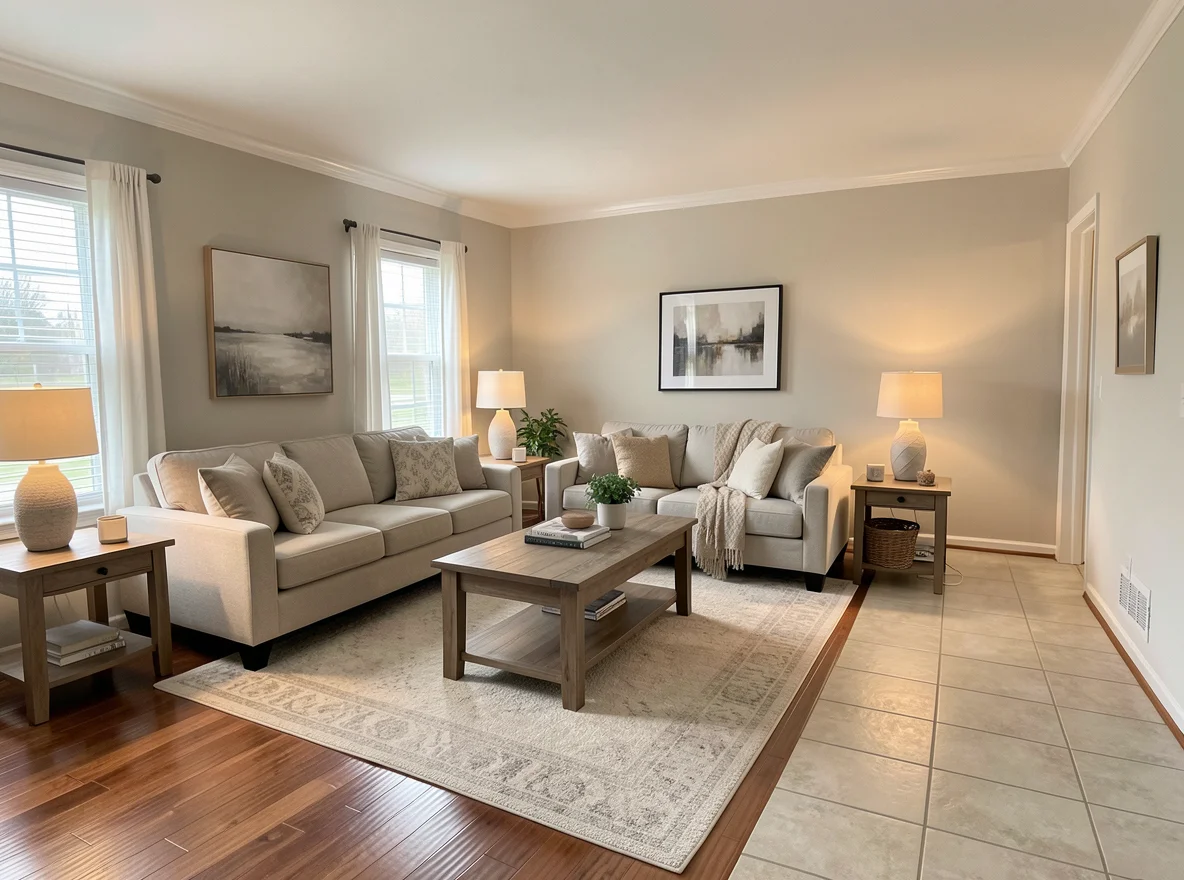
Begin by removing excess furniture and everyday clutter, especially around entrances and walkways. The goal isn’t to make the house look empty; it’s to show how each room works. In a living room, a comfortable seating arrangement and a clear path to the next space can do more than a collection of decorative pieces. Store personal papers, medications, valuables, and other private items before photography and showings.
Next, give the most visible surfaces a thorough clean. Wash windows, wipe baseboards, dust light fixtures, and address odors at their source rather than relying on heavy fragrances. Open curtains to let in natural light, replace burned-out bulbs, and use consistent bulb color where practical. These straightforward changes help photographs show the home accurately and make in-person visits feel more inviting.
When you’re deciding what to tackle first, focus on the rooms likely to appear prominently in the listing: the living area, kitchen, primary bedroom, and bathrooms. You can still tidy secondary rooms without furnishing every corner. If you need an outside perspective, ask your real estate agent to walk through before you spend money; an early conversation can help distinguish useful work from changes that are mostly personal preference.
Before purchasing decor, remove one or two pieces that interrupt a room’s natural walkway. Clear circulation can make the existing space easier for buyers to understand.
Make Kitchens and Baths Feel Ready to Use
Buyers often look closely at kitchens and bathrooms because these spaces contain so many working parts. Start with a careful cleaning, then check for dripping faucets, loose handles, stained caulk, and doors or drawers that don’t close properly. Addressing minor issues before a listing goes live can make the home feel better cared for and give you time to investigate anything that needs a professional.
For staging, clear most countertop appliances and toiletries, leaving just enough to give the room a sense of purpose. Fresh towels, a clean bath mat, and a simple bowl or plant in the kitchen can add warmth without hiding the surfaces buyers want to inspect. If cabinets or walls need attention, a modest refresh may be worth discussing; a complete renovation is not automatically necessary before a sale.
Keep receipts and details for repairs or updates you complete. They can help your agent describe the property accurately and provide useful information when questions arise. Avoid concealing defects with cosmetic fixes, and ask your agent about applicable disclosure requirements. A clean presentation matters, but it should never substitute for addressing or appropriately disclosing a known problem.
Choose projects with a clear purpose
Before approving a larger expense, compare its cost with the improvement it will make to the home’s presentation or condition. Ask for estimates when needed, consider your timeline, and discuss whether buyers are likely to notice the change. A repaired leak or damaged floor may deserve attention before a purely decorative upgrade. There’s no guaranteed return on any staging expense, so make decisions with your budget and property in mind.
Give the Exterior a Welcoming Finish
The outside sets expectations before a buyer reaches the door, and it often appears in the first listing photo. A tidy approach, visible house numbers, and an uncluttered entrance can make a noticeable difference without changing the character of the property. Walk the route from the street or driveway to the front door and note what needs cleaning, trimming, or repair.
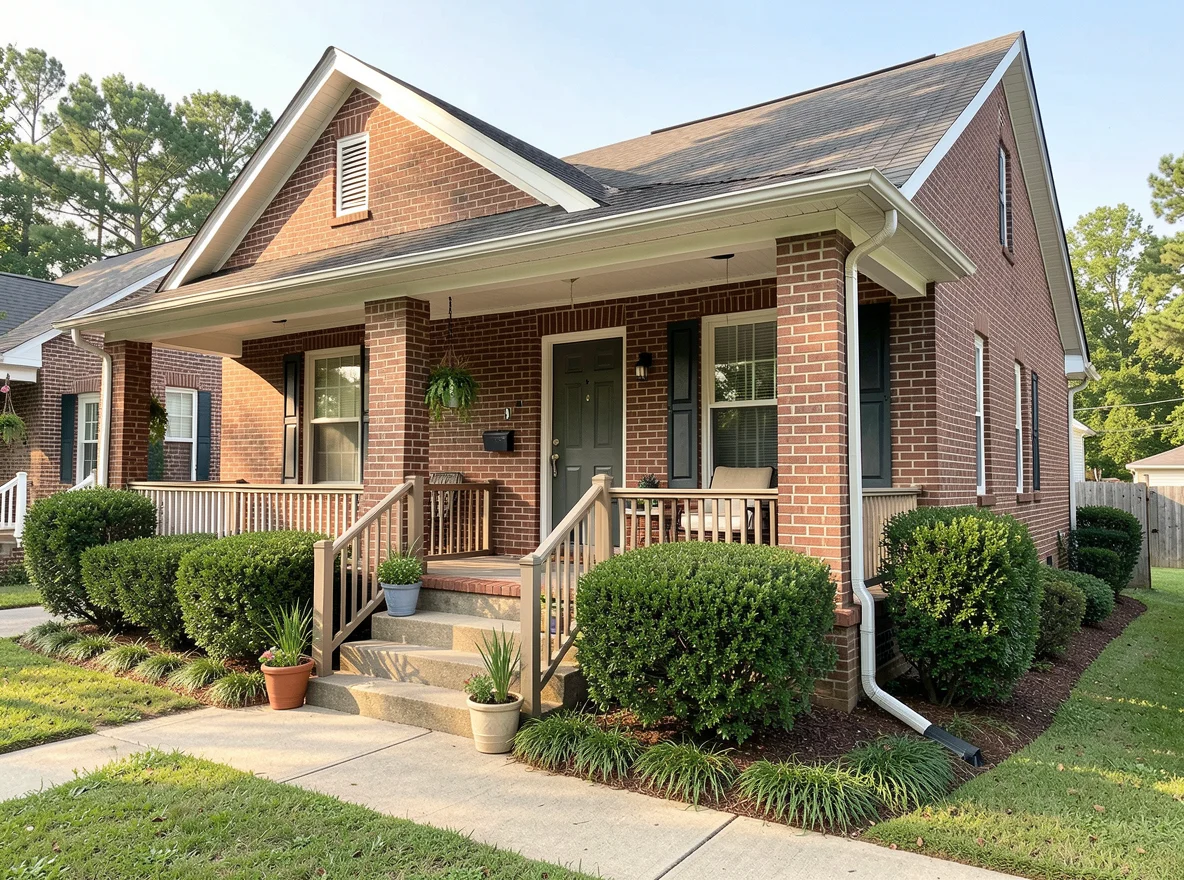
Mow the lawn, trim overgrown shrubs, remove debris, and clean the porch and entry door. Fresh mulch or a few healthy plants can add a finished look, but keep the work manageable and suited to what you can maintain while the home is listed. Check exterior lights, gutters, and visible hardware as well. If you see damage that could affect the property’s condition, consider having it evaluated rather than covering it up.
Outdoor spaces should be presented honestly, too. Put away tools and excess items so buyers can see patios, storage areas, and yard features. If the property includes acreage or outbuildings, make accessible areas tidy and discuss how to describe their condition and use accurately. Your agent and photographer can help decide which features to highlight without suggesting uses that haven’t been verified.
Plan exterior work with the photography date in mind. Give yourself time to finish repairs and clean up before the camera arrives, then maintain the result for showings. Weather can affect scheduling, so leave some flexibility rather than waiting until the last morning to complete every task.
Price for the Market, Not the Decorating Budget
Staging can help a home make a strong impression, but it cannot determine its market value on its own. Work with your agent to review recent comparable sales, current competing listings, and differences in size, condition, location, and features. Active listings show what buyers can choose from; closed sales provide evidence of what buyers have actually paid. Neither is a perfect match, so the details behind each comparison matter.
Be cautious about adding the full cost of every improvement to your desired price. Buyers may value an update differently from what it cost to complete, and market conditions can change. A thoughtful pricing discussion should also account for your timing, likely selling expenses, and how you’ll respond if feedback suggests an adjustment is needed.
A polished listing and a well-supported asking price work together: presentation helps buyers notice the home, while comparable sales help put its price in context.
Looking at current McCrory listings can be a useful starting point for understanding how other homes are presented. For a pricing decision, though, ask your agent to go beyond photos and asking prices to examine relevant closed sales and property details.
Prepare for Photos and Keep Showings Simple
Once repairs and staging are complete, make a final pass before photography. Open blinds, clear counters, make beds, and remove bins, cords, and personal items from view. Check that rooms look like themselves rather than a set of unrelated decorating ideas. Good photographs should represent the property accurately and help buyers decide whether they want to see it in person.
For showings, create a short reset routine: wipe surfaces, put away dishes, turn on appropriate lights, and secure valuables. Keep a basket or storage spot handy for items you use daily. If you have pets, plan ahead for their comfort and for access during visits. Ask your agent how much notice to expect and how feedback will be shared, so you can make practical adjustments without feeling that every comment demands a renovation.
Finally, keep your preparation proportional to your goals. The most effective plan may be a weekend of cleaning and small repairs, or it may involve a contractor and a longer schedule. Jose Colunga can help you talk through the next steps, identify questions for other professionals, and develop a listing plan for your McCrory property.