
A home inspection is one of the clearest opportunities to understand a Cabot property before negotiations are complete. From crawl-space moisture and roof wear to HVAC age and drainage details, the findings can help buyers plan with confidence and help sellers avoid last-minute surprises. The goal is not a flawless report; it is a practical picture of the home’s current condition.
Start With the Systems That Protect the Home
In Cabot, a thorough inspection often begins with the features that manage Arkansas weather: the roof, gutters, grading, foundation, and drainage around the structure. Heavy rain, summer heat, humidity, and seasonal temperature shifts can reveal weaknesses over time, even in a home that looks well cared for at first glance. A professional inspector can document visible conditions, identify areas that need further evaluation, and help buyers distinguish routine maintenance from a more significant repair conversation.
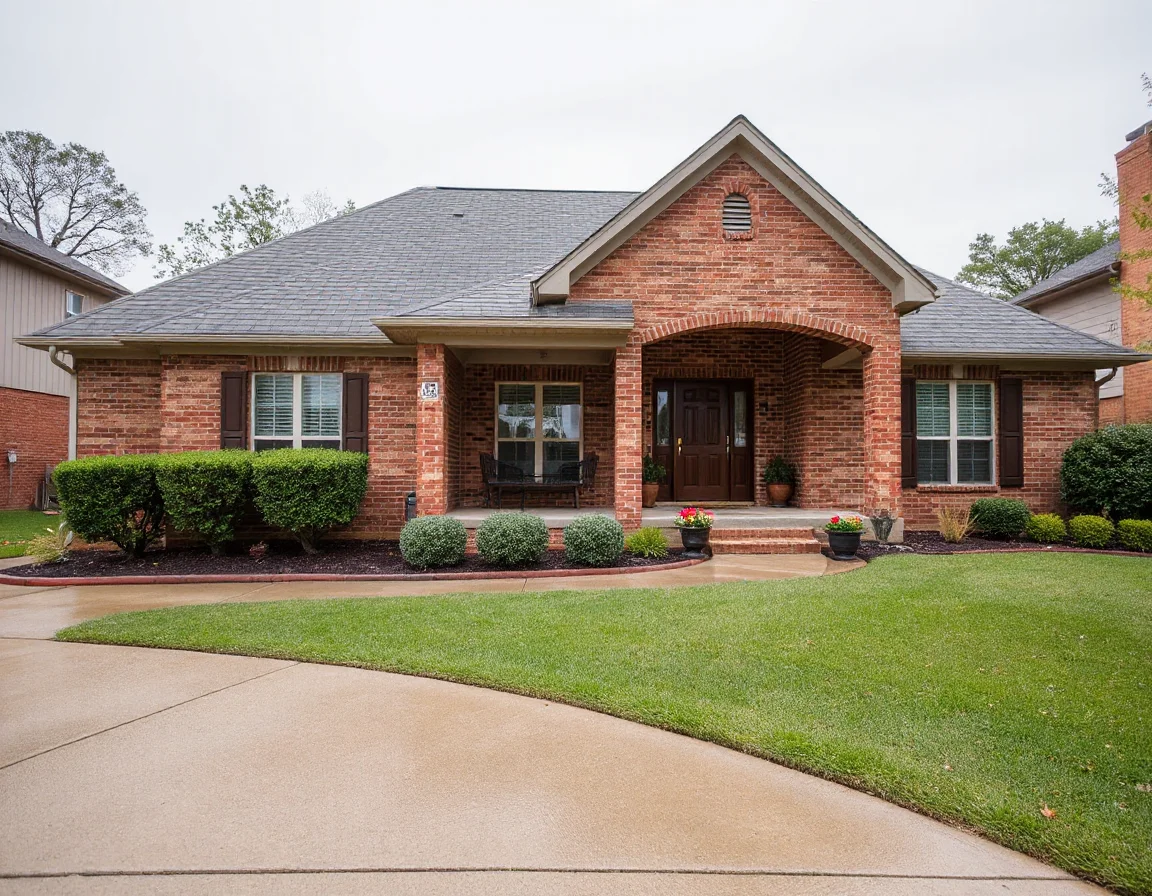
Roof condition is usually a high-priority item. An inspector may note the apparent age of shingles, visible granule loss, lifted edges, flashing details, exposed fasteners, damaged vents, or areas where branches contact the roofline. A report cannot always predict exactly how many years a roof has left, but it can identify evidence of wear and recommend whether a licensed roofing professional should take a closer look. Sellers who know the roof’s installation date, warranty information, or history of repairs should have those records available.
Water management deserves equal attention. Downspouts should direct water away from the foundation, gutters should be clear enough to function, and the soil near the home should generally slope away rather than toward the structure. Standing water, eroded soil, disconnected extensions, and damp areas near exterior walls are useful clues to discuss with an inspector. On properties with a crawl space, moisture staining, wood deterioration, insulation damage, or visible microbial growth may lead to recommendations for additional assessment.
A small drainage correction can be a manageable maintenance project, while persistent moisture in a crawl space may require a more detailed plan. Ask the inspector to explain what was observed, where it was found, and what follow-up is appropriate.
Foundation comments can sound intimidating on an inspection report, but not every crack has the same meaning. Hairline cracks in concrete, minor settling, and cosmetic separations may be common observations. Wider cracks, displaced masonry, uneven floors, doors that do not operate normally, or active signs of movement are reasons to consult a qualified foundation specialist. Buyers should avoid guessing from photographs alone and instead rely on the inspector’s written observations and any recommended specialist review.
Crawl Spaces, Plumbing, and Electrical Details
Many homes in the Cabot area have crawl-space components that deserve a careful look. Access may be limited, and not every area is always visible, but an inspector can typically evaluate accessible framing, insulation, plumbing lines, ductwork, vapor barriers, and signs of moisture. Ventilation and moisture-control approaches can vary by home, so the key question is not whether one feature looks exactly like another property’s setup; it is whether the accessible space shows conditions that call for maintenance, repair, or a specialist’s opinion.
Plumbing inspections commonly focus on visible supply lines, drain lines, fixtures, water pressure observations, water-heater installation, and signs of active leaks or past water damage. Pay attention to the age and type of visible piping, especially if a report notes corrosion, outdated materials, slow drains, or a water heater nearing the end of its typical service life. If the home is served by a private septic system rather than public sewer, a separate septic evaluation is often a wise step because a standard home inspection may not fully assess the tank, field lines, or system performance.

Electrical findings are another area where precise language matters. Inspectors may identify missing GFCI protection in applicable locations, open junction boxes, double-tapped breakers, older panels, damaged outlets, or wiring that needs review. These observations do not always mean the entire electrical system must be replaced. They do mean it is worth understanding the scope, receiving an estimate from a qualified electrician when recommended, and confirming that any repair work is completed properly.
Heating and cooling equipment can be a major budget consideration in central Arkansas. During an inspection, the system may be operated under conditions that are appropriate for the weather, and the report may note its approximate age, visible condition, temperature response, filter condition, condensate drainage, or duct issues. Service records are valuable, but they are not a substitute for inspection. When an HVAC system is older or performing inconsistently, an HVAC contractor can provide a more specific assessment of repair options, maintenance needs, and replacement planning.
Inspection reports often include long lists because they document both maintenance items and defects. Prioritize findings by urgency, cost range, and whether a licensed specialist is recommended—not simply by the number of pages in the report.
Buyers: Turn Findings Into a Practical Decision
An inspection contingency period is a time to gather information, not to expect a newly built condition from every property. Homes of different ages, construction styles, and maintenance histories will have different reports. Focus first on items that affect the structure, water intrusion, electrical safety, major mechanical systems, or the ability to occupy and maintain the home. Then consider whether the available information supports moving forward, requesting repairs, seeking a credit when appropriate, or adjusting plans based on the likely cost of ownership.
It helps to ask for clarity rather than broad conclusions. What evidence supports the finding? Is it active, historic, or preventive maintenance? Can the condition be monitored, or does it need prompt attention? Is a specialist evaluation recommended before the inspection period ends? A written estimate can be useful for larger concerns, but remember that estimates may vary by contractor, material availability, project scope, and scheduling.
Buyers should also review disclosures, permits when available, repair receipts, utility information, and any records for major updates. If a seller has replaced a roof, installed an HVAC unit, repaired drainage, or updated electrical service, documentation can add helpful context. A complete decision combines the inspection report with the property disclosure, specialist input, financing timeline, and the buyer’s own maintenance budget.
Sellers: Address the Easy Items Before Listing
Sellers can make the inspection process smoother by handling accessible maintenance before photos and showings begin. Replacing a dirty HVAC filter, clearing debris from gutters, trimming branches away from the roof, repairing obvious drips, securing loose handrails, testing smoke and carbon monoxide alarms where applicable, and ensuring access to the attic, electrical panel, water heater, and crawl space can reduce preventable report items. These steps do not guarantee an inspection outcome, but they show that the property has been prepared for a careful review.
Transparency is usually more useful than trying to conceal a known repair. If a project has been completed, keep invoices, warranties, permits, and contractor information in one place. If an issue is still unresolved, discuss it accurately in the disclosure process and be prepared to respond to reasonable questions. A pre-listing inspection can also be useful for some sellers because it provides time to address selected findings before a buyer’s inspection deadline creates additional pressure.
Ultimately, a good inspection should make the next step clearer. Cabot buyers can use the report to evaluate the property with better information, while sellers can use preparation and documentation to make the transaction more straightforward. With realistic expectations, qualified professionals, and a focus on the items that matter most, inspection findings become a roadmap for informed decisions rather than an automatic obstacle.