
Pricing a home well in White County is less about guessing high and more about creating a strong first impression in the market. The right number can increase showing activity, reduce time on market, and improve the odds of receiving serious offers early. This guide breaks down how sellers can use local competition, condition, timing, and buyer behavior to set a price that works in the real world.
Why pricing strategy matters from day one
The first days a home is listed often bring the most attention, so the asking price needs to do more than reflect what an owner hopes to receive. It should position the property competitively against similar homes currently available, recently sold properties, and listings that did not move. In White County, where buyers may be comparing homes in Searcy and nearby communities as well as looking at different lot sizes, age ranges, and updates, pricing has to account for what else is on the market right now.
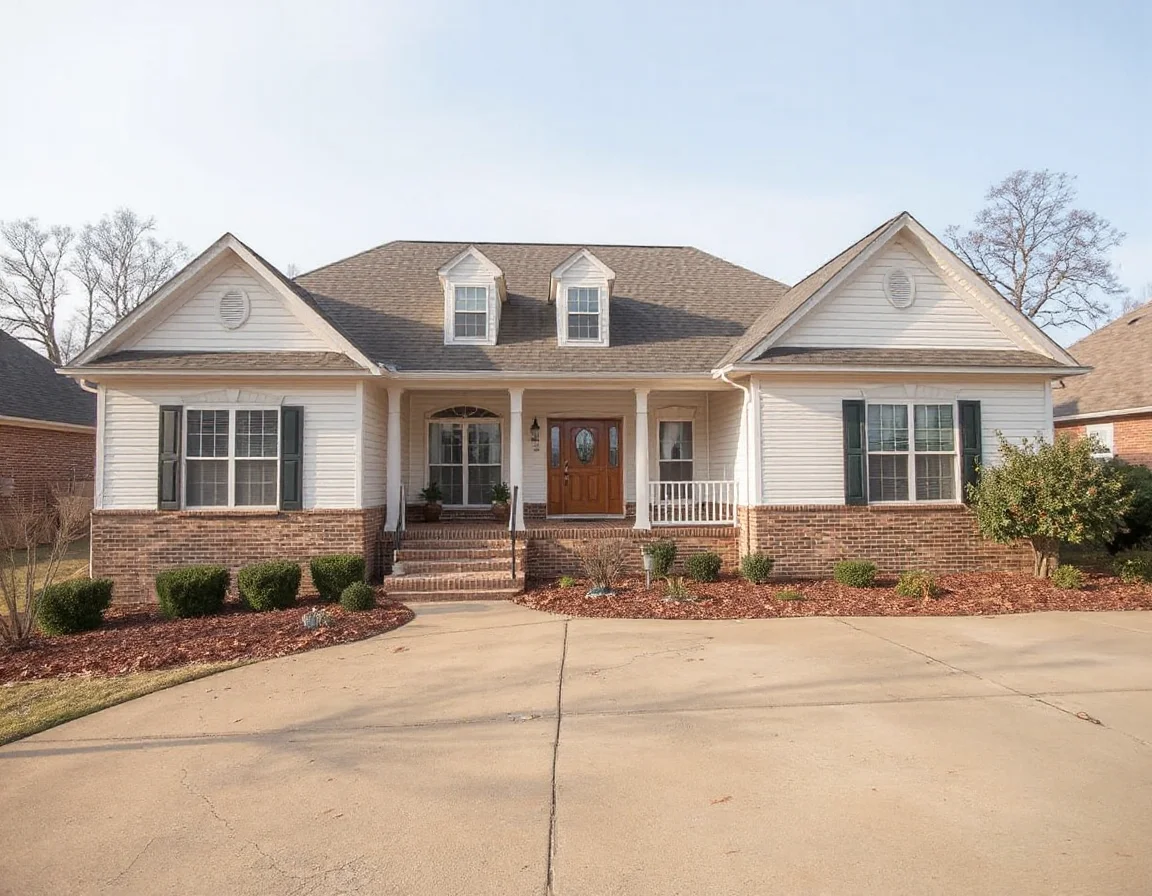
Many sellers assume pricing slightly above market leaves room for negotiation. Sometimes that approach works in a fast-moving segment, but more often it narrows the buyer pool. Online search filters are precise, and a home priced just beyond where comparable options sit can miss an entire set of buyers before they ever schedule a tour. That means fewer visits, less momentum, and a greater chance that the listing will need a reduction later.
A well-priced home can create a different dynamic. Instead of trying to chase the market after a slow start, it enters with clarity and confidence. Buyers tend to respond when a price feels supported by visible condition, location details, and current alternatives, especially when the listing photos and presentation reinforce that value.
The strongest pricing window is often the moment a listing first appears online. If the price misses the market early, interest can cool before the first reduction is made.
Start with comparable sales, not only active listings
One of the most useful tools in pricing is the comparison between your home and similar properties that have actually closed. Active listings show the competition, but sold homes reveal what buyers were willing to pay. Pending sales can also help signal where demand is moving, even before final numbers are public. In a market like White County, where homes can vary widely in acreage, remodel quality, outbuildings, and rural-versus-in-town setting, a close comparison matters more than broad averages.
That means looking at square footage, bed and bath count, lot characteristics, age, updates, layout, and overall presentation. A home with a newer roof, remodeled kitchen, improved flooring, or more functional outdoor space may deserve stronger pricing than a similar-sized property with deferred maintenance. At the same time, not every dollar spent on improvements translates into a dollar-for-dollar increase in list price.
It also helps to study expired or withdrawn listings. These homes can offer an important warning sign: what the market did not accept. If several similar homes started high and sat without strong activity, that pattern can be just as valuable as a recent sale. Pricing is not only about value in theory; it is about how buyers respond in practice.
Condition, presentation, and price work together
A price is never judged in isolation. Buyers evaluate it alongside photos, curb appeal, repairs, finishes, and how the property feels compared with other options. If a home is clean, bright, and move-in ready, the market may support a stronger number. If repairs are visible or updates are limited, the price should reflect that honestly rather than hope buyers will overlook it.
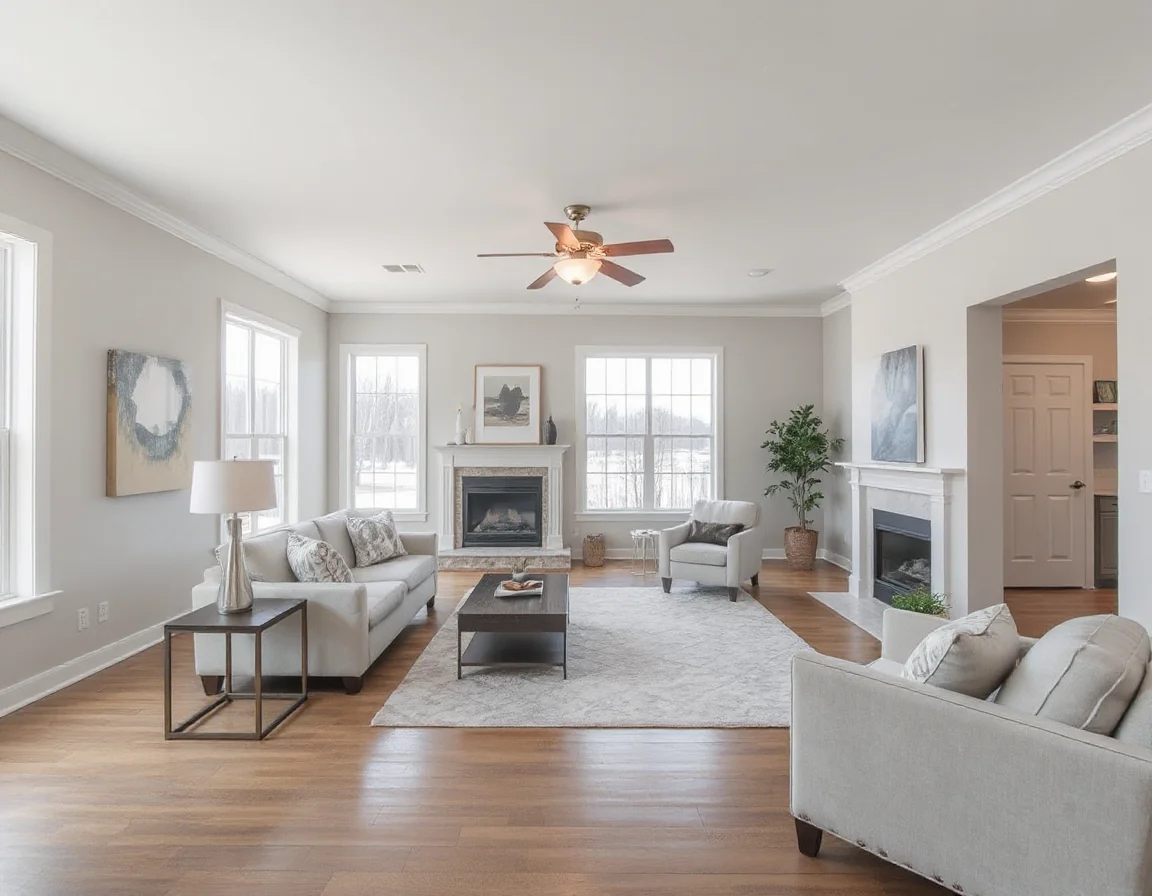
Before setting the final number, sellers should think about the experience a buyer will have from the first online photo through the showing itself. Fresh paint, decluttering, touch-up work, and landscaping often improve perceived value because they help buyers focus on the home rather than a to-do list. That does not mean every house needs a major remodel before listing, but it does mean the asking price should line up with the level of finish being presented.
There is also a practical side to this. If a home needs updates, pricing for its current condition can attract buyers who are comfortable making improvements. Overpricing a property that still needs work may cause those same buyers to move on to listings that already offer the features they want. The result can be longer market time and more negotiation pressure later.
Strong presentation can support strong pricing, but only when the price still fits the market evidence. The best outcomes usually come when these elements reinforce each other instead of trying to compensate for one another.
Pay attention to price brackets and buyer search behavior
Home buyers rarely browse by instinct alone; they browse by search range. That makes pricing brackets especially important. A home listed at $305,000 may miss buyers whose top limit is $300,000, even if those buyers would have viewed it favorably at a slightly different number. Sometimes a small adjustment creates access to a larger audience and better showing traffic.
In White County, this matters because buyers may be comparing options across multiple communities and balancing monthly payment goals with property features. Interest rates, taxes, insurance, and maintenance expectations all influence affordability. A strategic list price can place a property where more buyers are actively looking rather than at the edge of a range where fewer people will see it.
A modest change in list price can shift a home into a more active online search bracket, which may increase visibility far more than sellers expect.
It is also useful to think beyond the asking number itself. Concessions, closing-cost assistance, or flexible timing can matter depending on market conditions, but they do not replace correct pricing. If the list price is too aggressive from the start, incentives alone may not overcome the hesitation buyers feel when they compare value across similar listings.
Monitor feedback and adjust quickly if needed
Even careful pricing is still a market test, and the response in the first few weeks provides valuable information. Strong activity, repeat showings, and timely offers usually suggest the number is in line with expectations. Limited traffic, similar feedback from multiple showings, or repeated comments that the home feels high for its condition can indicate the market is sending a clear message.

The key is not to view adjustments as failure. A price correction made early can re-energize a listing while it is still relatively fresh. Waiting too long often gives buyers the impression that something is off, even when the issue is simply that the property started above the market. Timely action can protect momentum and bring the home back into the conversation for buyers who may have passed on it initially.
Feedback should be evaluated carefully, not emotionally. One opinion is just one opinion, but patterns matter. If several visitors point to the same concern, that can help clarify whether the issue is condition, presentation, or price. The goal is not to chase every comment but to identify the consistent themes that affect marketability.
Seasonality can also shape strategy. Different times of year bring different levels of inventory and buyer urgency. The right price in one month may need a different approach in another, especially if competing listings increase or contract terms shift across the broader market.
The goal is attention that turns into offers
Pricing a White County home to attract offers means balancing local data with the real experience buyers will have when they compare your property to everything else available. The right number is one that makes sense on paper, holds up during showings, and creates enough interest to generate meaningful conversations. A well-planned launch, thoughtful presentation, and willingness to respond to market feedback can all work together to support a stronger result.
Sellers do not need to guess their way through that process. With a pricing strategy built around current competition, recent sales, condition, and buyer search behavior, a listing can enter the market in a position of strength. That is often what gives a home the best chance to stand out and move toward an offer with less friction.